
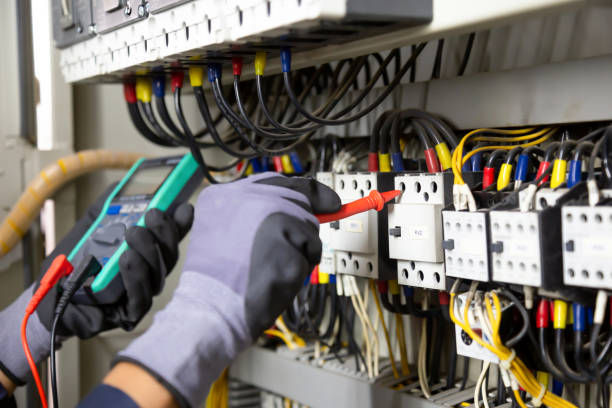
Electricity powers almost every part of a modern home, from lighting and kitchen appliances to heating, cooling, and entertainment systems. While it is easy to take a reliable electrical system for granted, poor maintenance or outdated components can increase safety risks, reduce energy efficiency, and lead to expensive repairs.
Understanding the importance of proper electrical service helps homeowners keep their electrical systems operating safely and efficiently. Regular inspections, timely repairs, and good electrical habits can reduce the likelihood of power outages, electrical fires, and equipment damage.
This guide explains practical electrical service tips that can improve safety, extend the life of your electrical system, and support better energy efficiency throughout your home.
Why Electrical Service Is Important
Electrical service involves inspecting, maintaining, repairing, and upgrading the components that deliver electricity throughout your home. This includes electrical panels, wiring, outlets, switches, circuit breakers, lighting systems, and safety devices.
Routine electrical service offers several benefits, including:
- Improved electrical safety
- Better energy efficiency
- Reduced risk of electrical failures
- Longer lifespan for electrical components
- Compliance with current electrical standards
- Greater reliability during everyday use
Ignoring small electrical issues often allows them to develop into larger and more expensive problems over time.
Common Signs Your Home Needs Electrical Service
Recognising early warning signs allows homeowners to address problems before they become serious.
Frequent Circuit Breaker Trips
Circuit breakers are designed to protect your electrical system. If breakers trip regularly, it may indicate:
- Overloaded circuits
- Faulty appliances
- Damaged wiring
- An outdated electrical panel
Repeated tripping should never be ignored.
Flickering or Dimming Lights
Lights that flicker or dim may result from:
- Loose wiring
- Circuit overload
- Faulty switches
- Voltage fluctuations
If multiple lights flicker throughout the home, an electrical inspection is recommended.
Warm or Discoloured Outlets
Outlets should never feel hot during normal use. Heat or burn marks can indicate:
- Loose electrical connections
- Overloaded circuits
- Internal outlet damage
These issues require immediate attention to prevent fire hazards.
Burning Smells
A burning odour near outlets, switches, or the electrical panel may indicate overheating wires or damaged insulation. Turn off power to the affected area if it is safe to do so and arrange professional electrical service promptly.
Buzzing Sounds
Electricity should operate silently. Buzzing or humming from outlets, switches, or panels often signals loose connections or faulty components.
Electrical Service Tips for a Safer Home
Following good electrical maintenance practices helps reduce hazards throughout your property.
Schedule Regular Electrical Inspections
Even if everything appears to work normally, periodic inspections can identify hidden issues before they become dangerous.
A comprehensive inspection typically includes:
- Electrical panel condition
- Circuit breaker performance
- Wiring integrity
- Outlet testing
- Grounding verification
- Smoke alarm connections
- Safety device checks
Older homes especially benefit from regular inspections because wiring standards have changed significantly over time.
Avoid Overloading Power Outlets
Many electrical issues begin with overloaded outlets.
To reduce the risk:
- Spread appliances across different outlets
- Avoid plugging multiple high-powered devices into one outlet
- Use power boards only within their rated capacity
- Never connect multiple extension leads together
Large appliances should ideally operate on dedicated circuits.
Replace Damaged Cords Immediately
Electrical cords experience daily wear and tear.
Replace cords that show:
- Cracked insulation
- Exposed wiring
- Bent plugs
- Loose connections
- Burn marks
Never repair damaged electrical cords with tape as a permanent solution.
Test Safety Devices Regularly
Modern homes often include important safety devices such as:
- Smoke alarms
- Residual current devices (RCDs)
- Ground fault protection
- Surge protection
Testing these devices regularly helps ensure they operate correctly when needed.
Keep Electrical Panels Accessible
The electrical panel should always remain easy to reach.
Avoid storing boxes, furniture, or equipment directly in front of the panel. Quick access may be critical during an emergency or power outage.
Improving Home Efficiency Through Electrical Service
Electrical safety and energy efficiency often go hand in hand.
Upgrade Older Lighting
Traditional lighting consumes more electricity than modern energy-efficient options.
Replacing outdated lighting can help:
- Lower electricity usage
- Reduce maintenance
- Improve brightness
- Generate less heat
Lighting upgrades also provide opportunities to improve room functionality.
Install Energy-Efficient Switches
Smart switches and timers help reduce unnecessary electricity consumption by automatically controlling lighting schedules.
Examples include:
- Motion sensor lighting
- Programmable timers
- Occupancy sensors
- Dimming controls
These upgrades improve convenience while lowering energy use.
Check Appliance Performance
Older appliances may draw more electricity than newer models.
Electrical service inspections can identify appliances that:
- Consume excessive power
- Create circuit overloads
- Produce voltage fluctuations
- Require dedicated circuits
Replacing inefficient appliances often improves overall system performance.
Upgrade Outdated Electrical Panels
Many older homes were not designed to support today’s electrical demands.
Common signs an upgrade may be necessary include:
- Limited breaker space
- Fuse boxes
- Frequent overloads
- Multiple extension cord use
- Home renovations
- New high-powered appliances
A modern electrical panel improves both safety and reliability.
Electrical Service Tips During Home Renovations
Renovations frequently increase electrical demand.
Before beginning any project:
Plan Electrical Requirements Early
Consider future needs such as:
- Home offices
- Electric vehicle chargers
- Outdoor lighting
- Additional appliances
- Air conditioning
- Security systems
Planning ahead reduces future modification costs.
Add More Outlets
Many older homes simply do not have enough outlets.
Adding additional outlets helps eliminate:
- Overloaded power boards
- Excessive extension cord use
- Unsafe electrical connections
Convenient outlet placement also improves everyday functionality.
Upgrade Wiring if Necessary
Old wiring may not safely support modern electrical loads.
Replacing outdated wiring improves:
- Safety
- Reliability
- Capacity
- Compliance with current standards
Electrical Safety Tips for Families
Simple habits help keep everyone safe.
Teach Children About Electrical Safety
Children should understand basic rules, including:
- Never insert objects into outlets
- Avoid touching electrical equipment with wet hands
- Stay away from damaged cords
- Report sparking outlets immediately
Childproof outlet covers add another layer of protection.
Keep Water Away from Electrical Equipment
Water conducts electricity and significantly increases shock risk.
Avoid using electrical devices:
- Near sinks
- Around bathtubs
- Outside during wet conditions unless equipment is rated for outdoor use
Outdoor electrical equipment should always be properly protected from weather exposure.
Use Outdoor Equipment Correctly
Outdoor outlets should include weather-resistant protection.
Inspect outdoor lighting, extension leads, and power tools regularly for damage before use.
Seasonal Electrical Service Tips
Different seasons create different electrical demands.
Summer
Higher cooling demands increase electrical loads.
Prepare by:
- Inspecting ceiling fans
- Checking air conditioning circuits
- Testing outdoor outlets
- Inspecting pool or garden equipment
Winter
Heating systems often consume significant electricity.
Before winter:
- Inspect heating equipment
- Check smoke alarms
- Test safety switches
- Ensure extension leads remain in good condition
Mistakes Homeowners Should Avoid
Some common habits increase electrical risks.
Avoid:
- Ignoring flickering lights
- Using damaged extension leads
- Covering electrical cords with rugs
- Overloading outlets
- Blocking electrical panels
- Delaying necessary repairs
- Attempting unsafe electrical repairs without proper knowledge
Addressing problems early usually costs less than repairing extensive electrical damage later.
Creating a Home Electrical Maintenance Routine
A simple maintenance schedule helps keep your system operating safely.
Every Month
- Test smoke alarms
- Check visible cords
- Inspect outlets
- Listen for unusual electrical sounds
Every Six Months
- Test safety devices
- Clean around the electrical panel
- Inspect outdoor electrical fixtures
Every Year
- Review electrical loads
- Inspect major appliances
- Arrange a professional electrical inspection if recommended for your home’s age or condition
Consistent maintenance reduces unexpected breakdowns and helps identify developing issues before they become costly.
See also: How Cryptocurrency Is Used in Online Shopping
Conclusion
Maintaining a safe and efficient electrical system requires more than simply fixing problems when they occur. Regular electrical service, routine inspections, timely repairs, and thoughtful upgrades all contribute to a safer home, lower energy consumption, and improved system reliability.
By paying attention to warning signs, avoiding common electrical mistakes, and following a proactive maintenance routine, homeowners can reduce safety risks while improving the performance of their electrical systems. Investing in regular electrical service today helps protect your home, your family, and your electrical equipment for years to come.
